Leaks & Pipes
Low Water Pressure in Your House? 8 Common Causes and How to Fix Them
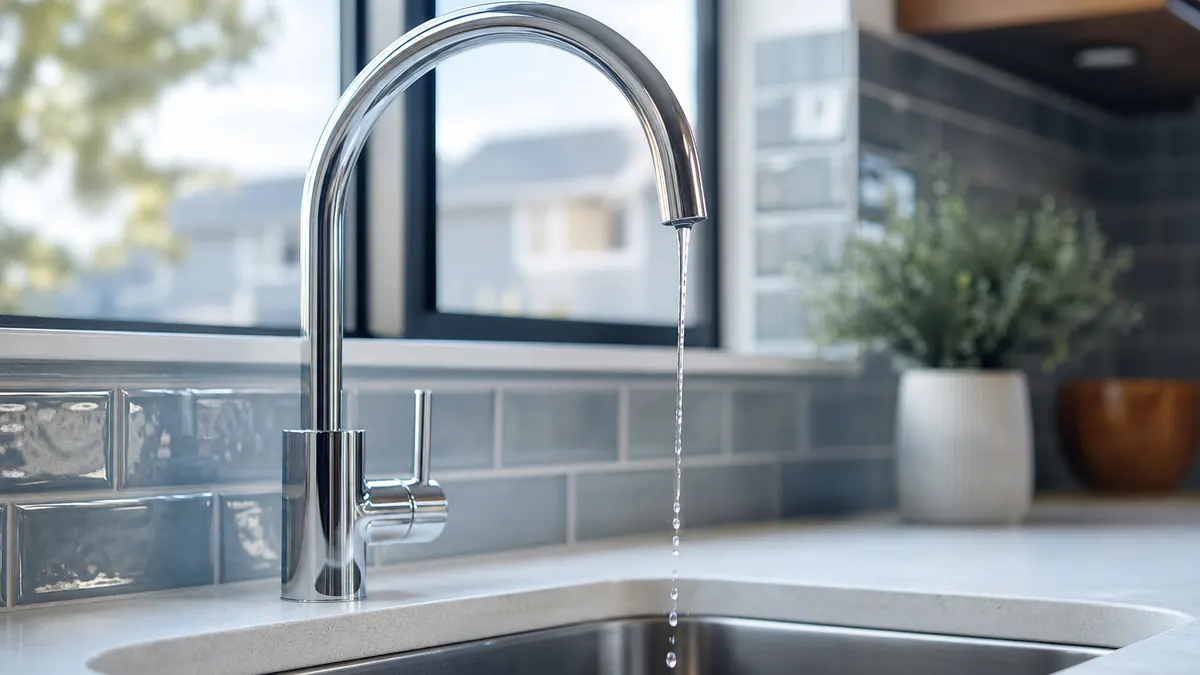
- One faucet weak? Clean the aerator or shower head first. It fixes the problem more often than anything else.
- Whole house weak? Check that the main shutoff is fully open, then suspect the pressure regulator, a hidden leak or old pipes.
- Only hot water weak? The cause is usually at the water heater.
- Normal house pressure is about 45 to 70 psi. A $10 gauge on a hose bib tells you where you stand.
Weak showers, a washing machine that takes forever to fill, a toilet that refills slowly: low water pressure is one of the most common complaints we hear from San Francisco homeowners. In older SF homes, the cause is often hidden in the pipes themselves. Here is how to narrow it down, starting with the easy checks.
First, figure out where the pressure is low
This one question cuts the list of suspects in half:
- One fixture only: the problem is at that faucet, shower or its supply line.
- Hot water only: the problem is at the water heater or the hot water lines.
- The whole house: the problem is at the main line, the main valve, the regulator or the pipes in general.
8 common causes of low water pressure
1. Clogged aerator or shower head
Minerals and debris build up in the small screen at the tip of faucets and inside shower heads. Unscrew the aerator, rinse it, and soak it in white vinegar for an hour. For shower heads, soak them in a bag of vinegar overnight. If the flow comes back, you found it.
2. Worn faucet cartridge or valve
If cleaning the aerator did not help and only one faucet is weak, the cartridge inside the faucet may be clogged or failing. Replacing a cartridge is a common, inexpensive repair.
3. Partly closed shutoff valves
After any plumbing work, it is common to find the main shutoff or a fixture’s stop valve only partly open. Check the main valve (often in the garage, basement or near the front of the house) and the small valves under sinks and behind toilets. Turn them fully open.
4. A failing pressure regulator (PRV)
Many San Francisco homes have a pressure reducing valve where the main line enters the house, because street pressure can be high. These valves typically last around 10 to 15 years. When they fail, pressure can drop throughout the house, or swing between weak and too strong. A plumber can test it with a gauge and adjust or replace it.
5. A hidden leak
A leak in the main line or under the house lets water escape before it reaches your faucets. Signs include a higher water bill, a wet spot in the yard or under the house, and the water meter moving while everything is turned off.
6. Old galvanized steel pipes
This is the big one in San Francisco. Many homes built before the 1960s still have galvanized steel water pipes. Over decades, they rust from the inside and the opening narrows until little water can get through. Pressure usually gets worse slowly, and you may see brown or rusty water. The real fix is replacing those lines with copper or PEX, often called repiping. It can be done in sections, starting with the worst runs.
7. Water heater problems (hot side only)
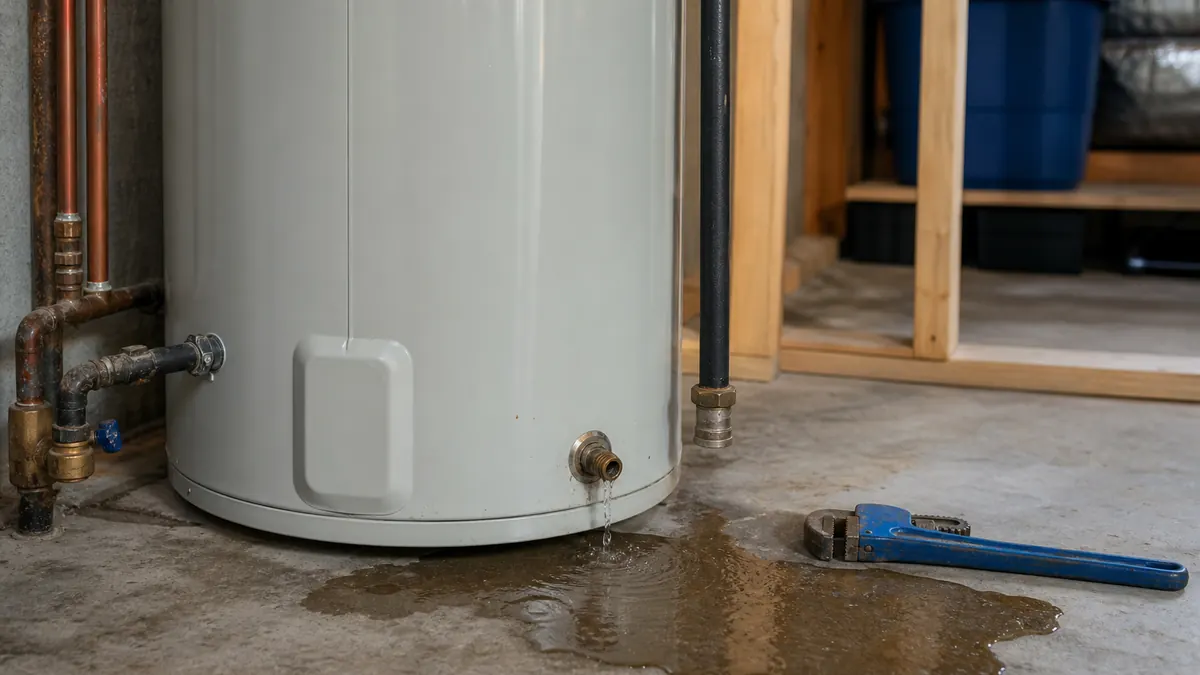
If only the hot water is weak, look at the water heater. A partly closed valve on the heater, sediment buildup in the tank, or a clogged dip tube can all restrict hot water flow. Flushing the tank helps in many cases. If the heater is also leaking, see our guide on what to do when a water heater is leaking.
8. Problems on the utility side
Sometimes the cause is outside your property: work on the water main, a problem at the meter, or a high-elevation home at the end of a long line. Ask your neighbors if they notice the same thing. If they do, call the water utility. In San Francisco, that is the SFPUC.
How to check your water pressure
Buy a simple pressure gauge that screws onto a hose bib (outdoor faucet), turn the faucet fully on with everything else off, and read the number.
| Reading | What it means |
|---|---|
| Below 40 psi | Low. Showers and appliances will feel weak. |
| 45 to 70 psi | Normal and healthy for most homes. |
| Above 80 psi | Too high. It wears out valves, water heaters and pipes. A regulator is needed. |
When to call a plumber
- The whole house is weak after you checked the valves.
- Your water bill went up without a reason, or you see wet spots.
- Your water is brown or rusty, or your home has galvanized pipes.
- Pressure swings between weak and very strong, which points to the regulator.
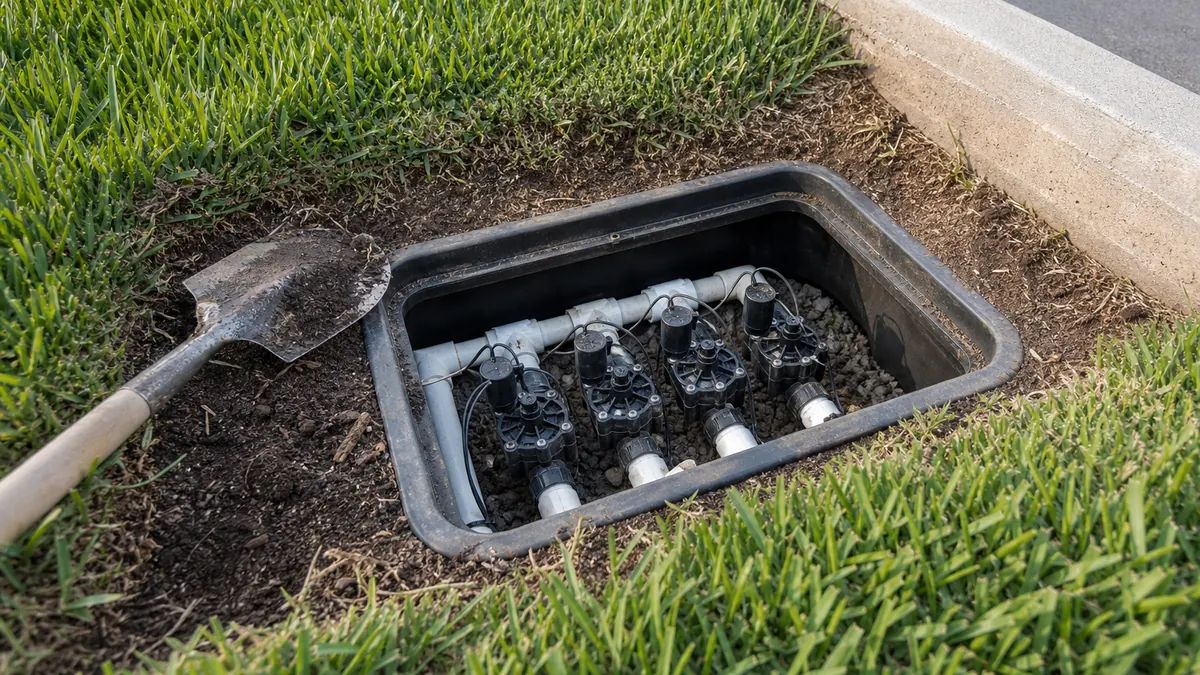
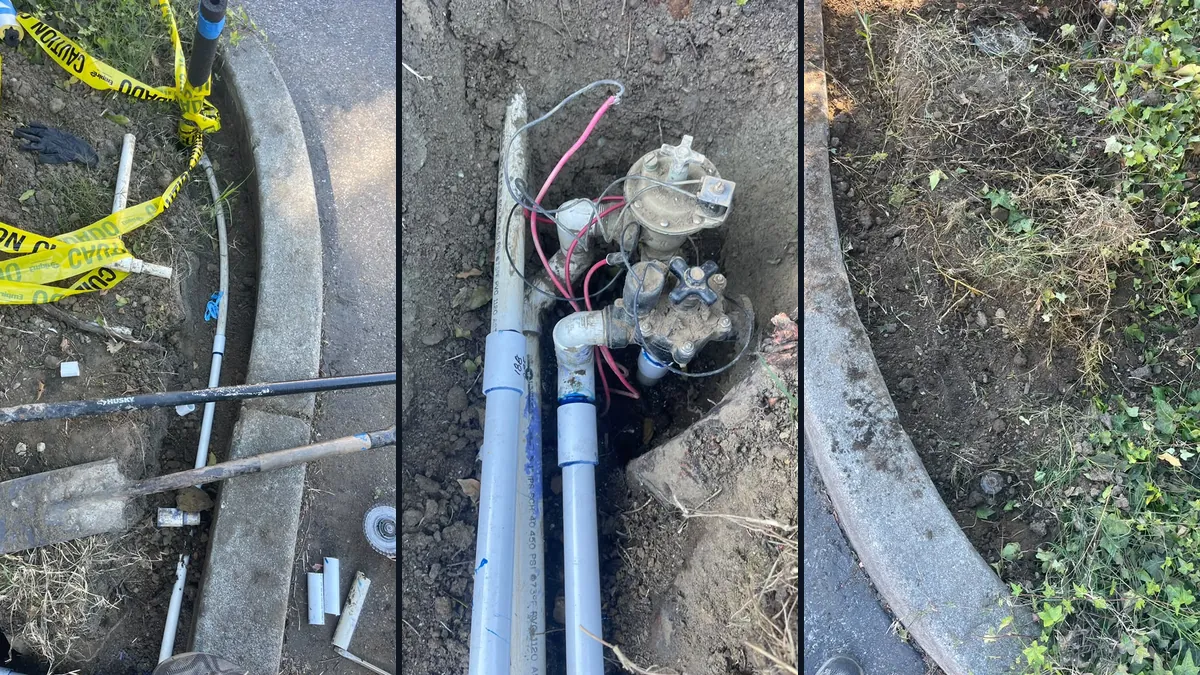
Outdoor lines can be part of the story too. A leaking irrigation line or valve can waste a lot of water and lower pressure. See our guide to sprinkler valve repair.
Frequently asked questions
Why did my water pressure suddenly drop?
A sudden drop in the whole house usually points to a partly closed main valve, a failing pressure regulator, a leak, or work by the water utility. A drop at a single faucet is usually a clogged aerator or cartridge.
What is normal water pressure for a house?
Most homes do best between about 45 and 70 psi. Below 40 psi feels weak, and above 80 psi can damage pipes and appliances.
Can a plumber fix low water pressure?
Yes. A plumber can test the pressure, check or replace the pressure regulator, find leaks, and replace corroded pipes that restrict flow.