Sprinklers & Outdoor Lines
Sprinkler Valve Repair: Signs, Fixes and When to Call a Plumber
- Common signs of a bad valve: a zone that won’t turn on, a zone that won’t shut off, or a soggy spot around the valve box.
- Try first: check the controller, the manual bleed screw, the solenoid and the flow control. Many “dead” valves come back with these.
- Call a plumber when water leaks with the system off, a manifold or main line is cracked, or the valve is buried and hard to reach.
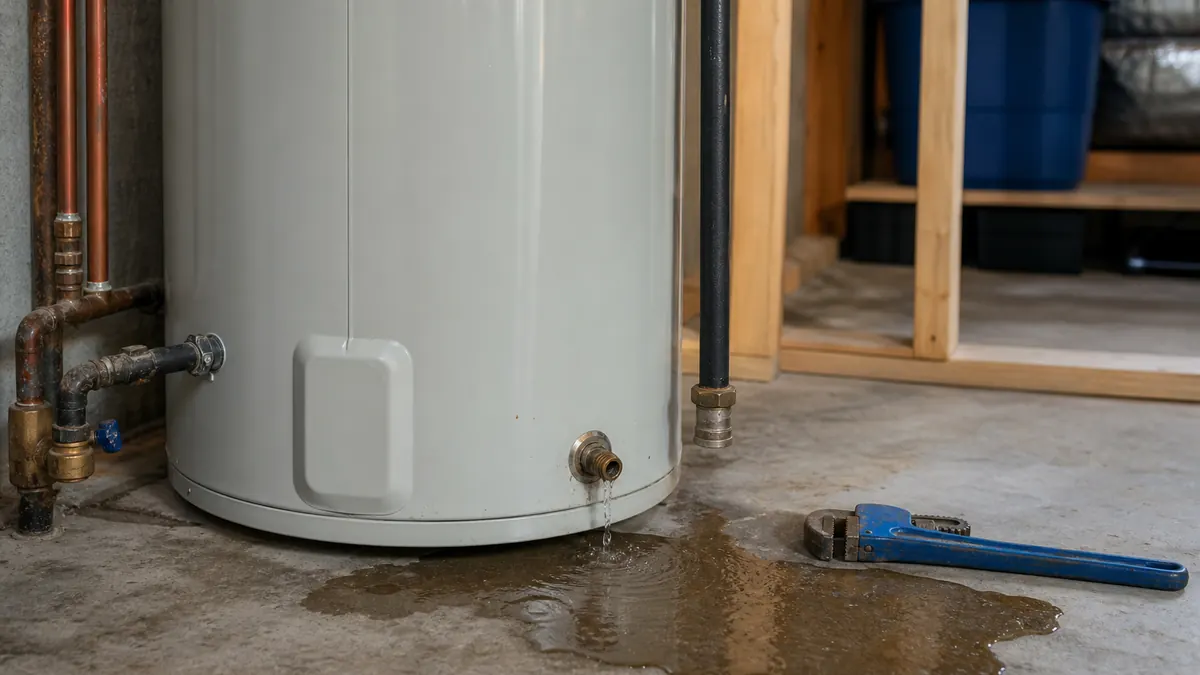
- A leaking valve on the pressurized side wastes water around the clock. Fix it soon.
Sprinkler and irrigation valves sit underground in a small box, open and close thousands of times a year, and get very little attention until something goes wrong. When one fails, you might see a dry zone, a zone that runs nonstop, or a muddy patch of lawn that never dries. This guide explains how valves work, what you can check yourself, and what a proper repair looks like, with photos from a recent job by our team.
How a sprinkler valve works
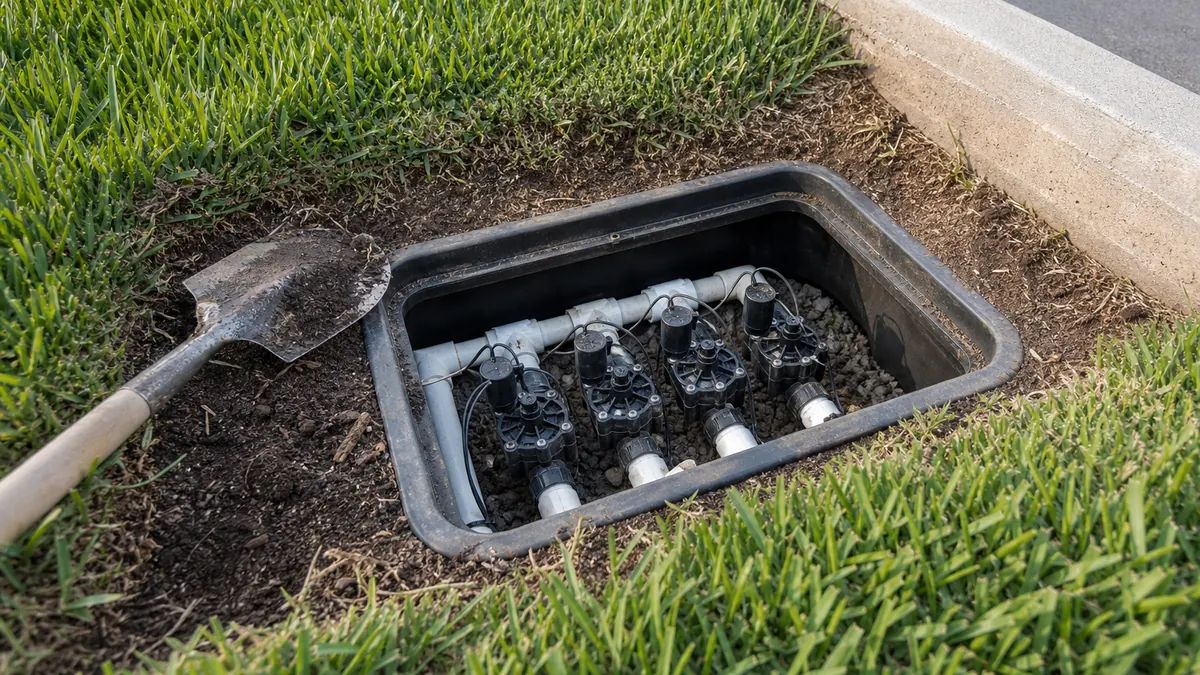
Most residential and commercial systems use electric valves. The controller sends a low-voltage signal to the solenoid on top of the valve. The solenoid lifts a small plunger, water pressure moves a rubber diaphragm, and the zone opens. When the signal stops, the diaphragm closes again. Each zone has its own valve, and valves are often grouped together in a manifold fed by the main irrigation line.
Because the main line feeding the valves is always under pressure, a leak at the manifold or upstream of the valves leaks all the time, not only when the sprinklers run.
Signs your sprinkler valve is bad
| Symptom | Likely cause |
|---|---|
| Zone won’t turn on | Controller or wiring problem, bad solenoid, closed flow control |
| Zone won’t shut off | Debris under the diaphragm, torn diaphragm, stuck solenoid |
| Weak spray in one zone | Flow control partly closed, debris, leak in that zone’s line |
| Water pooling at the valve box | Leaking valve body, cracked fitting or broken pipe |
| Wet area even with the system off | Leak on the main line or manifold (always under pressure) |
What you can check yourself
- Start at the controller. Run the zone manually. Make sure the program, the rain sensor and the zone wiring look right.
- Open the valve box and clear out soil and roots so you can see the valve.
- Use the manual bleed. Turn the small bleed screw or lever on the valve. If the zone runs, the valve body is fine and the problem is electrical (solenoid, wire or controller).
- Check the solenoid. Turn it a quarter turn clockwise to make sure it is snug. A bad solenoid is an easy part to replace.
- Check the flow control (the handle on top of many valves). If it is screwed all the way down, the zone won’t open fully.
- Clean the diaphragm. With the water off, unscrew the bonnet and rinse the diaphragm. A small piece of debris is a very common reason a zone won’t shut off.
When a valve needs replacing, or more
Valve bodies crack, old PVC gets brittle, and fittings fail, especially where roots, shovels or ground movement put stress on the pipes. If the valve itself is cracked, or the manifold and main line around it are leaking, the right fix is to dig out the area, replace the damaged pieces, and rebuild the connections properly. That is what the job below looked like.
A recent irrigation valve and line repair
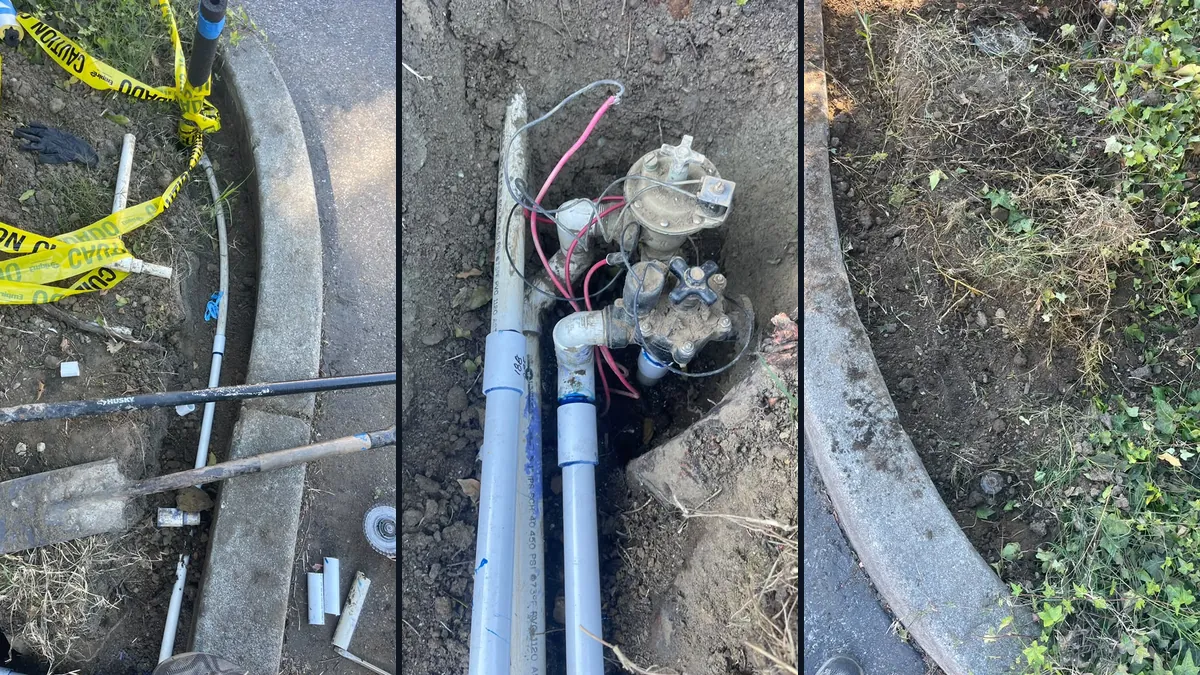
This job was at a commercial property in Mountain View, a Chase Bank branch, on a planter strip next to the parking lot. The full story is in our Chase Bank sprinkler system replacement case study. The irrigation valves and the PVC lines feeding them needed work, so our team opened up the area, replaced the damaged sections and fittings, rebuilt the connections to the valves, and tested everything under pressure before closing it up.
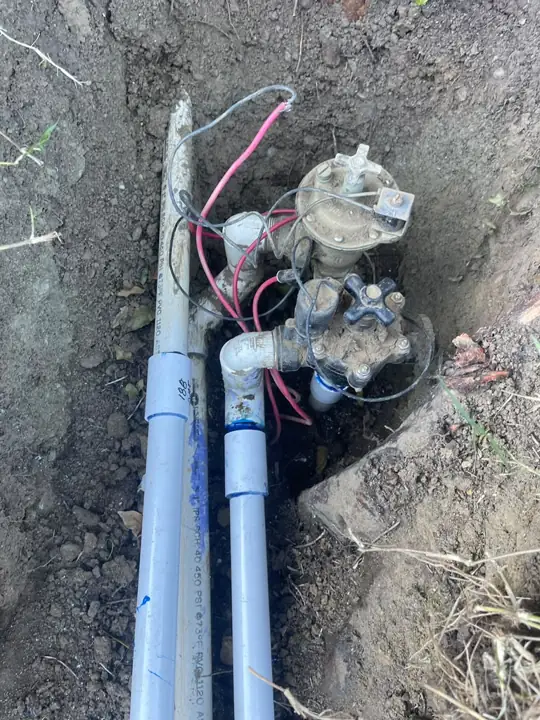
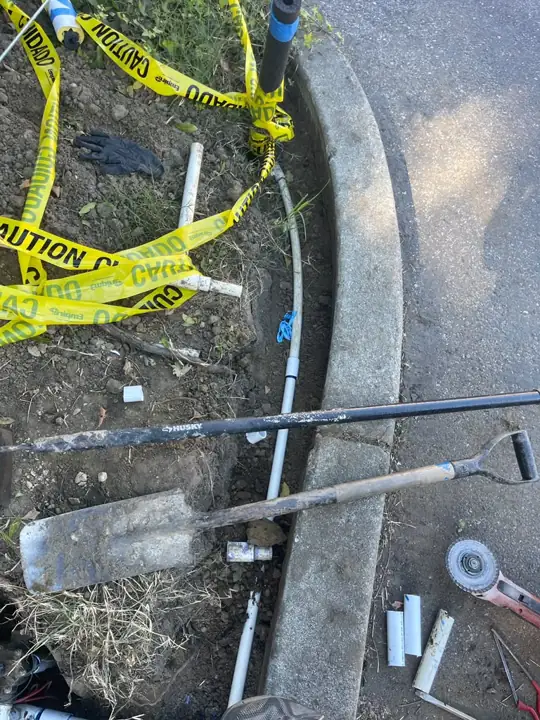
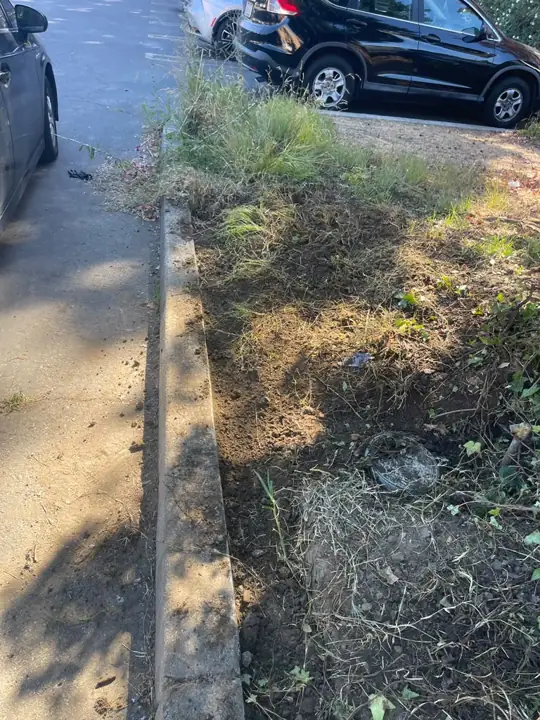
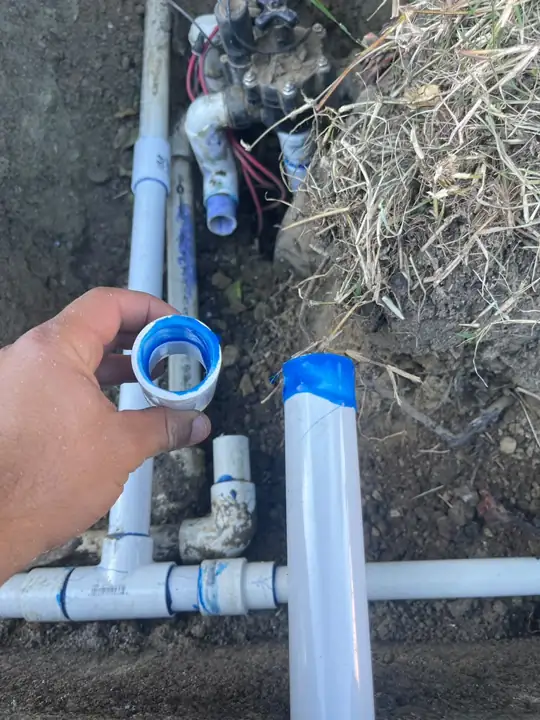
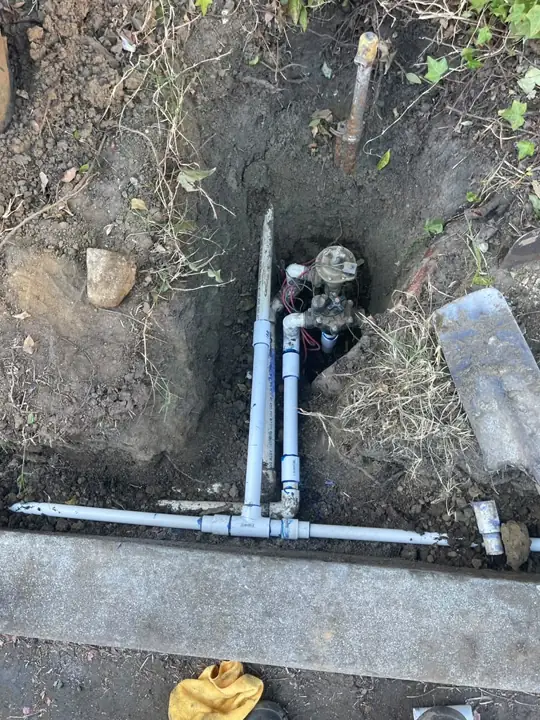
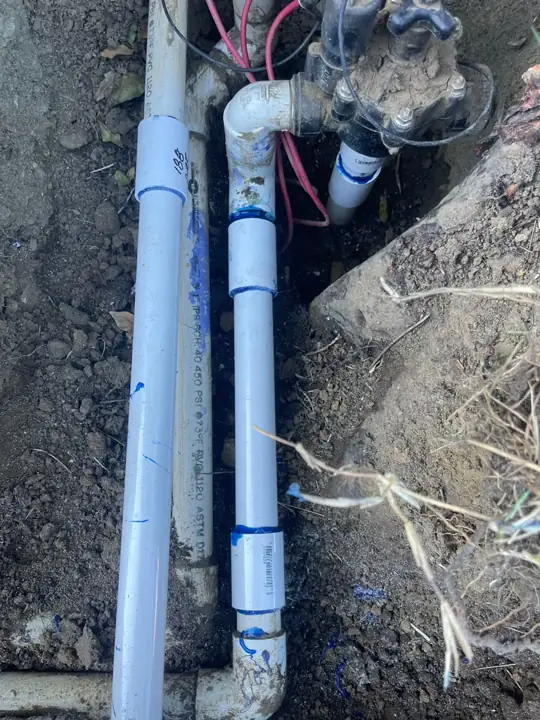
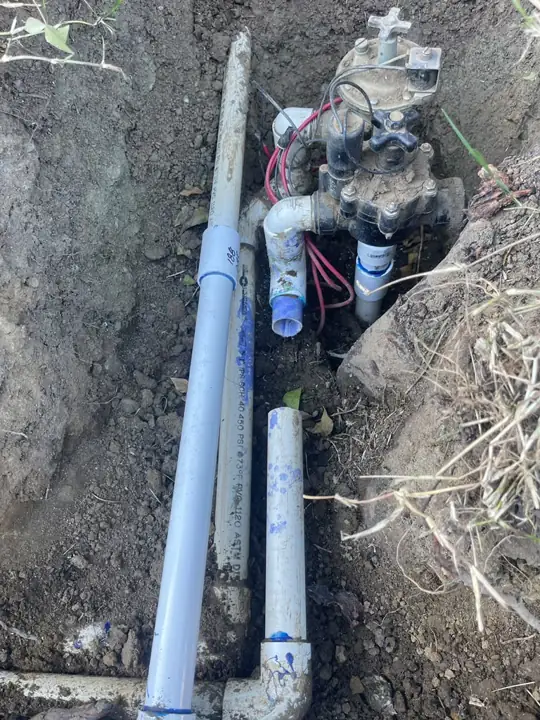
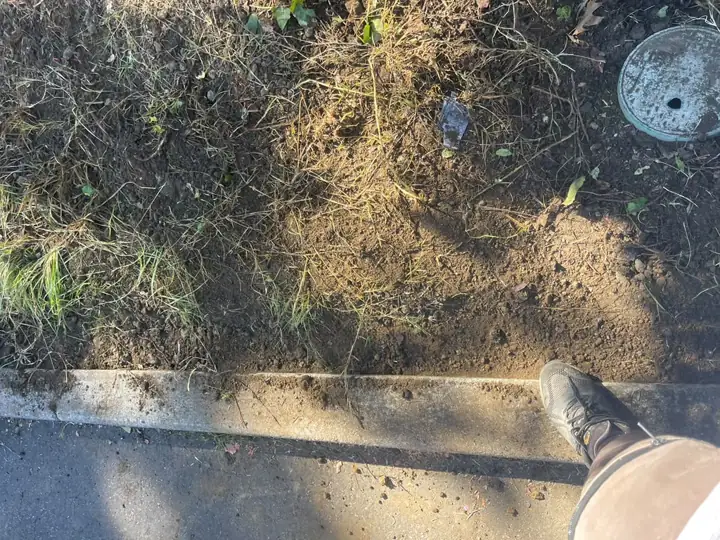
Once the system held pressure with no leaks, the area was backfilled and the valve box set back at grade, so the valves stay easy to reach for future service.
DIY or professional repair?
- DIY is reasonable for a solenoid swap, cleaning a diaphragm, or replacing a single easy-to-reach valve if you are comfortable cutting and gluing PVC.
- Call a plumber for leaks on the main line or manifold, several failing valves, buried or hard-to-find valves, commercial properties, and anything involving the backflow preventer, which protects your drinking water and often has to be tested by a certified tester.
A leaking irrigation line can also lower water pressure in the rest of the property. If your indoor pressure dropped too, read our guide to low water pressure in a house.
How to keep valves working longer
- Keep valve boxes clear of soil and roots, and their lids in place.
- Walk each zone a few times a year and look for wet spots, weak spray and broken heads.
- Install a filter if your water carries debris, and flush lines after any repair.
- Fix small leaks early. A slow leak on a pressurized line can waste thousands of gallons over a season.
Frequently asked questions
How do I know if my sprinkler valve is bad?
Common signs are a zone that will not turn on or will not shut off, water pooling or a soggy spot near the valve box, weak spray in one zone, and a clicking or humming valve that does not open.
Can I replace a sprinkler valve myself?
If the valve is easy to reach and you are comfortable cutting and gluing PVC, yes. Leaks on the main line, cracked manifolds, buried valves or a backflow device are better left to a licensed plumber.
Why is water pooling around my sprinkler valve box?
Usually a leaking valve, a cracked fitting or a broken pipe under the box. If the area stays wet even when the sprinklers are off, the leak is on the pressurized side and should be repaired soon.