Sewer & Drains
Sewer Kept Backing Up: Finding the Real Cause Under a San Francisco Sidewalk
- Location: a property in San Francisco, CA
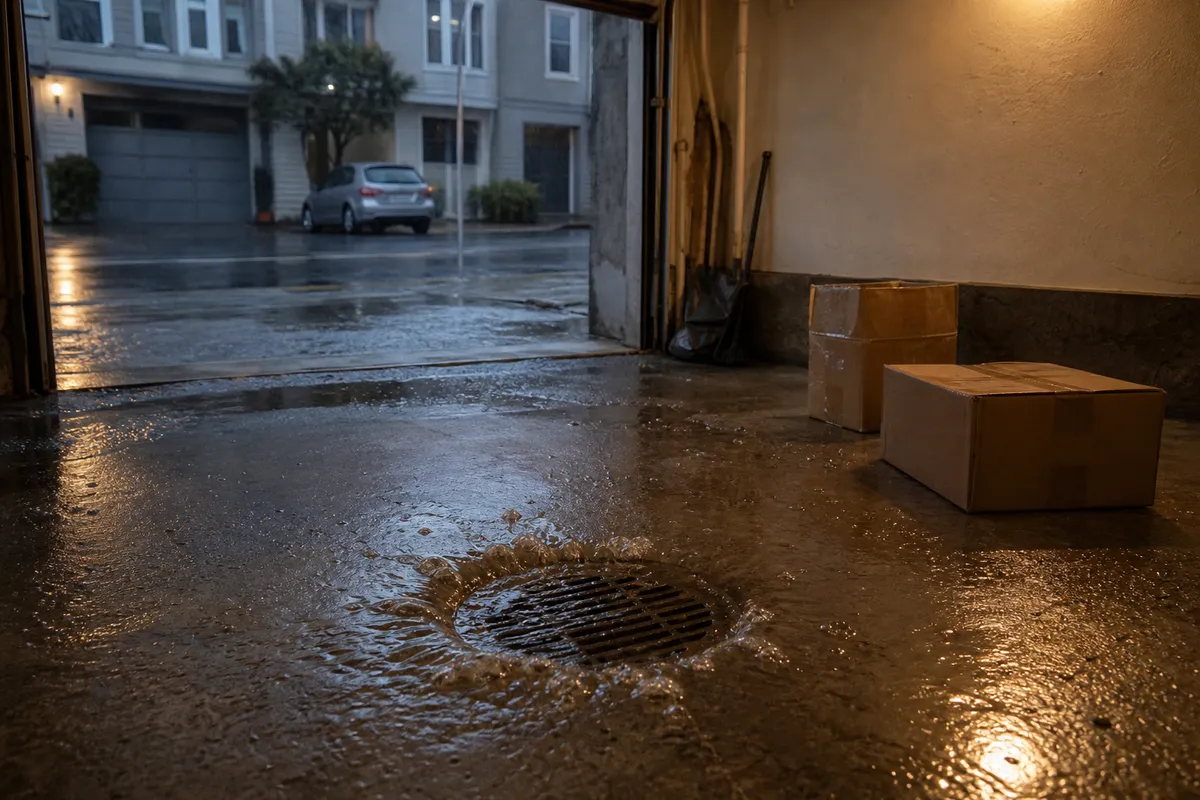
- Problem: the sewer kept backing up, again and again
- What the camera found: the existing pipe was offset and not properly connected
- The fix: excavation, breaking the sidewalk concrete, and replacing the house trap
When a drain backs up once, a cleaning usually takes care of it. When it backs up again a few weeks later, and then again, the clog is not the real problem. Something in the line is catching waste every time. That was the situation at this San Francisco property: repeated backups, and every clearing only bought a little time. Here is how we found the real cause and why the long-term fix meant opening up the sidewalk.
Step 1: A camera inspection before any digging
Guessing is expensive when the pipe is under concrete. So the first thing our team did was run a sewer camera through the line. The video showed exactly why the backups kept coming back: the existing pipe was offset, meaning two sections no longer lined up, and the connection was not made properly. Every time waste reached that joint, it hit the lip, slowed down and piled up. Clearing the clog opened the line for a while, but the misaligned joint was still there, waiting to catch the next load.
Step 2: Explaining every option
Before any work started, we walked the customer through what the camera showed and what each option would involve, including excavation, breaking the concrete, and replacing the house trap. Our goal was simple: make sure the customer fully understood the problem and the best long-term fix, not just the symptoms. Repeated cleanings would have cost less on the day and more over the year. Fixing the joint and the trap solves it.
What is a house trap?
Many older San Francisco buildings have a house trap (also called a building trap or running trap) on the sewer line, usually near the front of the property or under the sidewalk. It is a U-shaped fitting that holds water to keep sewer gas from the city main out of the building, with one or two cleanouts that come up to the surface.
That U-shape is also why it is a common trouble spot. Waste slows down as it goes through the bend, and if the pipe going into or out of the trap is offset, cracked or poorly connected, debris catches there. The result is the pattern this customer had: backups that come back no matter how many times the line is cleaned.
Step 3: Opening the sidewalk to reach the trap
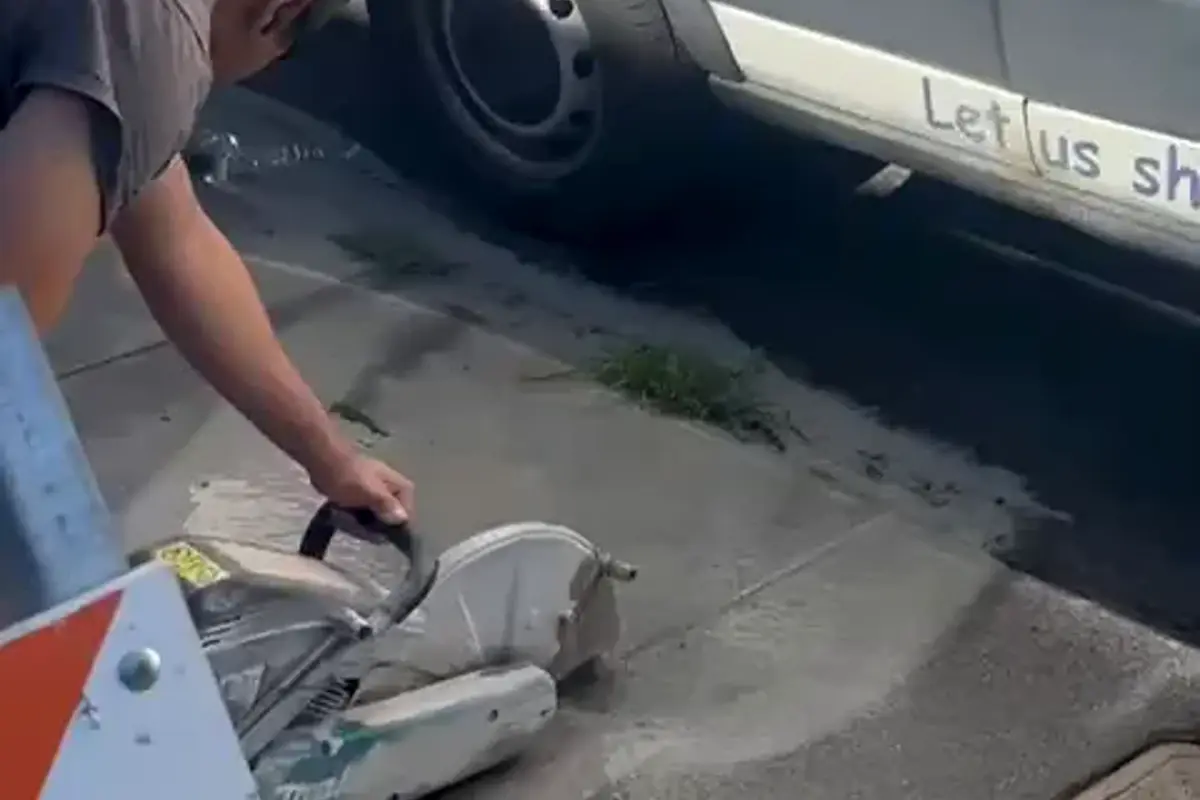
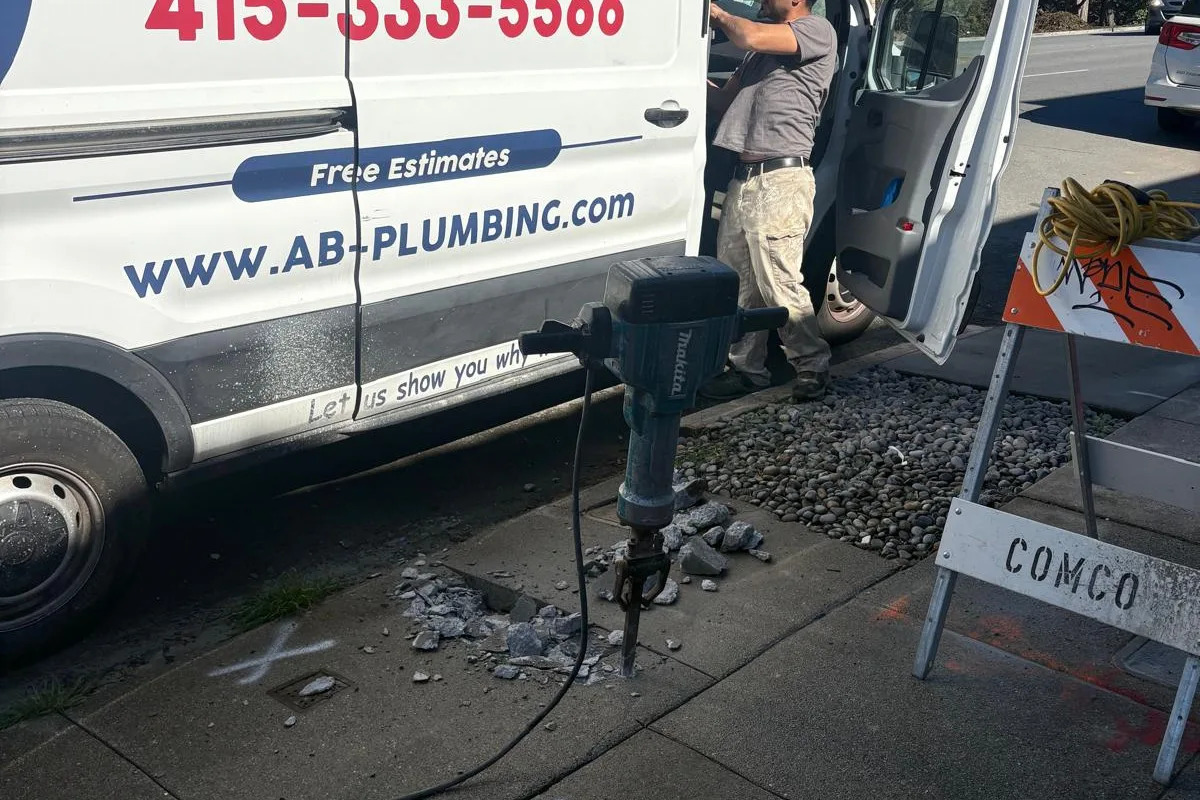
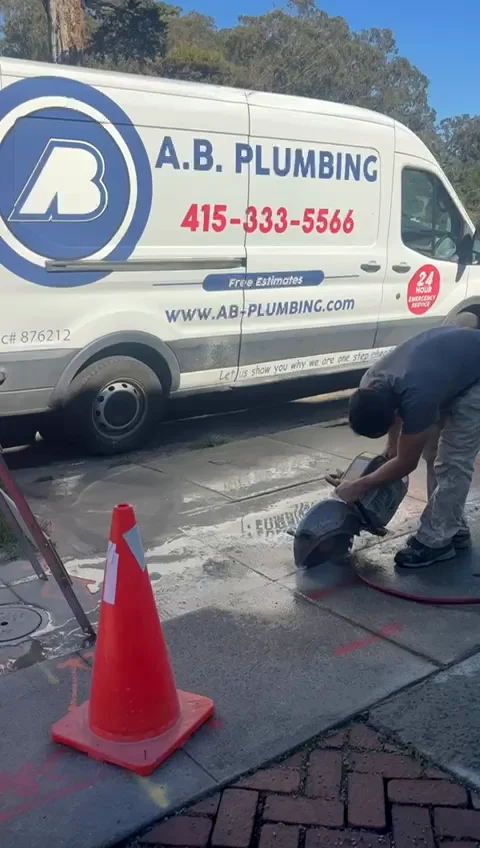
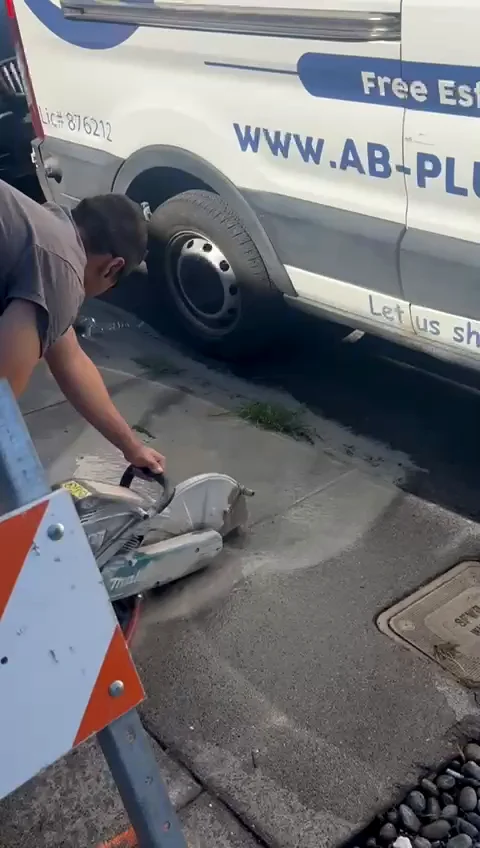
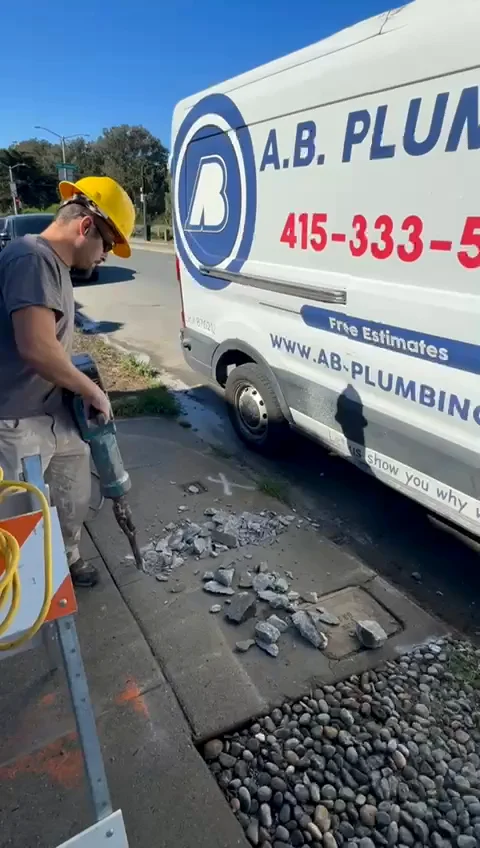
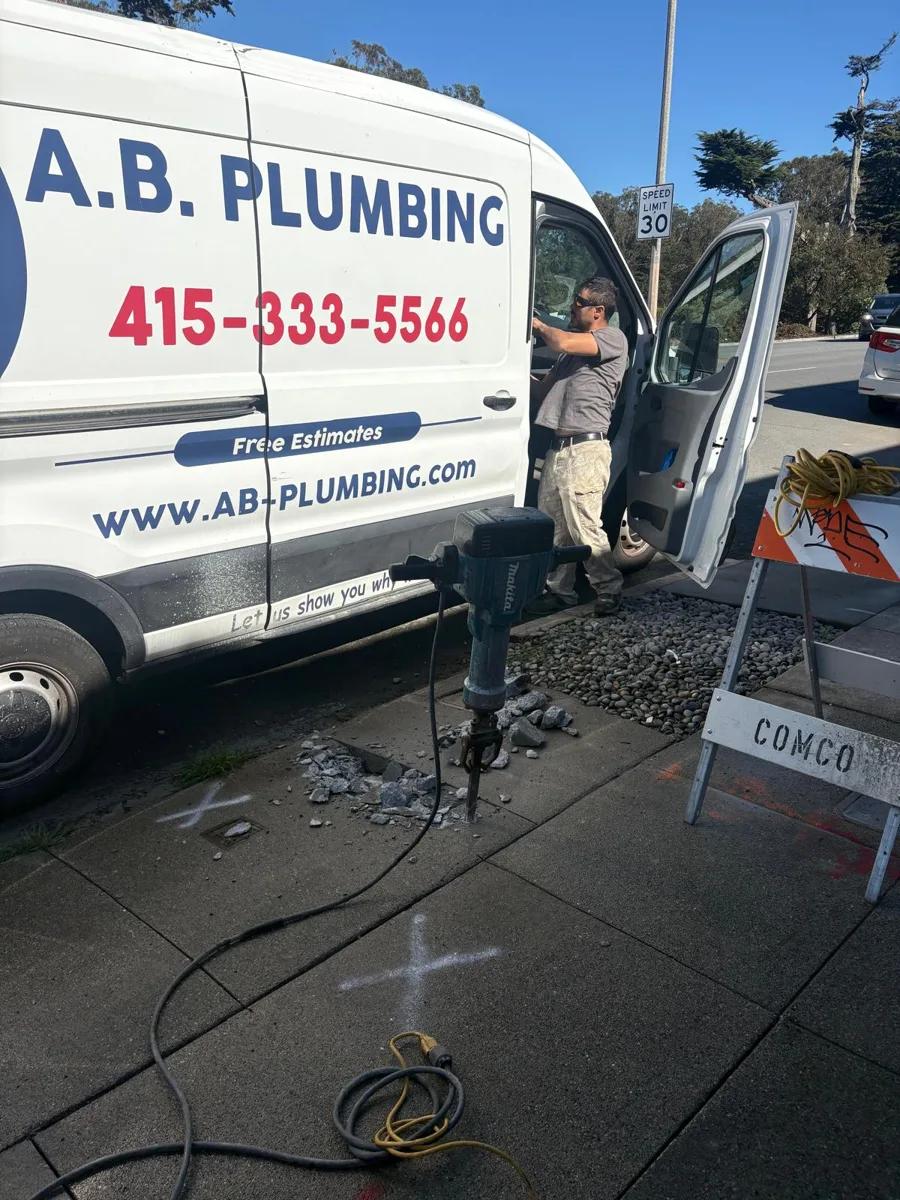
Because the trap and the bad joint sat under the concrete, the only way to fix them for good was to dig. The crew marked the area, cut the sidewalk with a concrete saw and broke it out with a jackhammer to excavate down to the line and replace the house trap.
Signs your house trap or sewer line has a problem
- The same backup keeps coming back a few weeks after the line was cleared.
- The lowest drain in the house backs up first, often a basement shower, floor drain or ground floor toilet.
- Gurgling in toilets or sinks when the washing machine or another fixture drains.
- Water or sewage at a cleanout near the front of the property.
- Sewer smell inside or near the front of the building.
In San Francisco, the property owner is responsible for the side sewer from the building to the curb, including the vent, the house trap and the section under the sidewalk. Past the curb, a structural problem is reported to 311 and the SFPUC repairs it in most cases (who owns the sewer line in SF). If your drains keep backing up, a camera inspection tells you where the problem is before anyone breaks concrete. Learn more about our sewer line repair in San Francisco, or, if the water is coming up right now, call our 24/7 emergency plumber. With the rainy season here, a narrowed line is also more likely to back up during storms: see how to prevent a sewer backup during high tides.
At AB Plumbing, we believe in finding the real problem, explaining the solution clearly, and doing the job right.
Frequently asked questions
Why does my sewer keep backing up after it was cleaned?
Cleaning removes the clog but not the reason it formed. An offset joint, a crack, roots or a problem at the house trap will keep catching waste, so the backup comes back. A camera inspection shows where the line is damaged.
What is a house trap?
A house trap, also called a building or running trap, is a U-shaped fitting on the sewer line of many older San Francisco buildings, usually near the front of the property or under the sidewalk. It holds water to keep sewer gas out and has cleanouts for access.
Who is responsible for the sewer line under the sidewalk in San Francisco?
The property owner. The section under the sidewalk is part of the upper lateral, which runs from the building to the curb and includes the vent and house trap, so its repair is the owner’s job. Past the curb, a structural problem is reported to 311 and the SFPUC, in most cases, repairs it at no extra cost.
Do you need to break concrete to fix a sewer line?
Not always. A camera inspection comes first. When the damaged joint or the house trap sits under concrete and cannot be repaired from inside the pipe, excavation is the long-term fix.