Sewer & Drains
Who Owns the Sewer Line in San Francisco, and When to Call 311
- You own it: in San Francisco the whole sewer lateral, from your building to the city main, belongs to the property owner.
- Upper lateral (house to curb): includes the vent and the house trap. Repairs are the owner’s job, done by a licensed plumber.
- Lower lateral (curb to main): if a plumber finds a structural problem there, call 311. The SFPUC inspects it and, in most cases, repairs it at no extra cost.
- Check it every 5 years: the SFPUC recommends an inspection at least once every five years, even without problems.
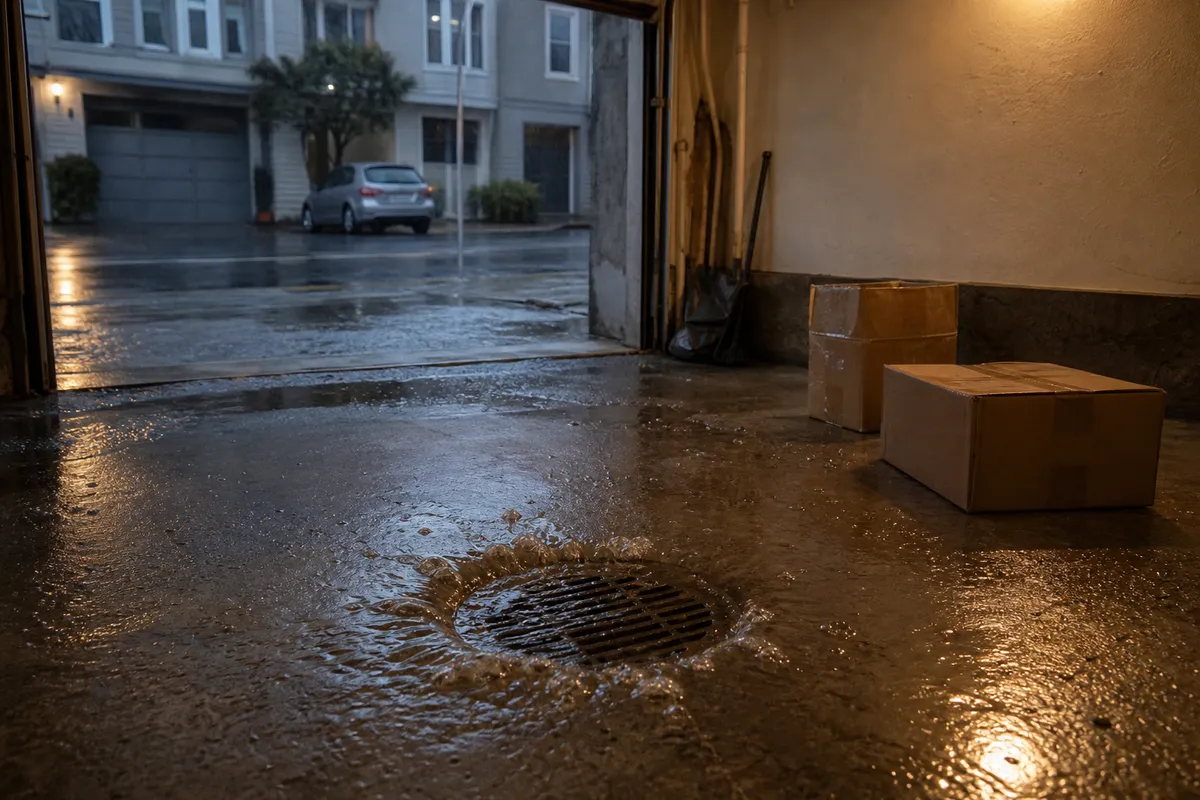
Sewage coming up in the garage drain is bad enough. Then comes the next question: is this my bill or the city’s? In San Francisco the answer depends on where the pipe is broken, and most homeowners only find out in the middle of a backup. Here is how it works, based on the San Francisco Public Utilities Commission (SFPUC) guidance, and what we do on a job to find out which part is which.
What a sewer lateral is
The sewer lateral, also called the side sewer, is the private pipe that carries everything from your toilets, sinks and showers to the public sewer main, which usually runs under the middle of the street. The SFPUC owns and maintains the main. The lateral is yours.
The SFPUC splits the lateral in two parts at the curb:
- Upper lateral, sometimes called the building sewer or building drain. It runs from the building to the curb. It includes the vent that comes up to the sidewalk and the trap at the bottom of that vent, the fitting many San Franciscans know as the house trap.
- Lower lateral. It runs from the curb to the sewer main in the street.
Who pays for what
According to the SFPUC, the entire lateral belongs to the property owner, and the owner is responsible for maintaining it. That means keeping it clear, jetting it when needed and having it inspected.
The difference is in repairs:
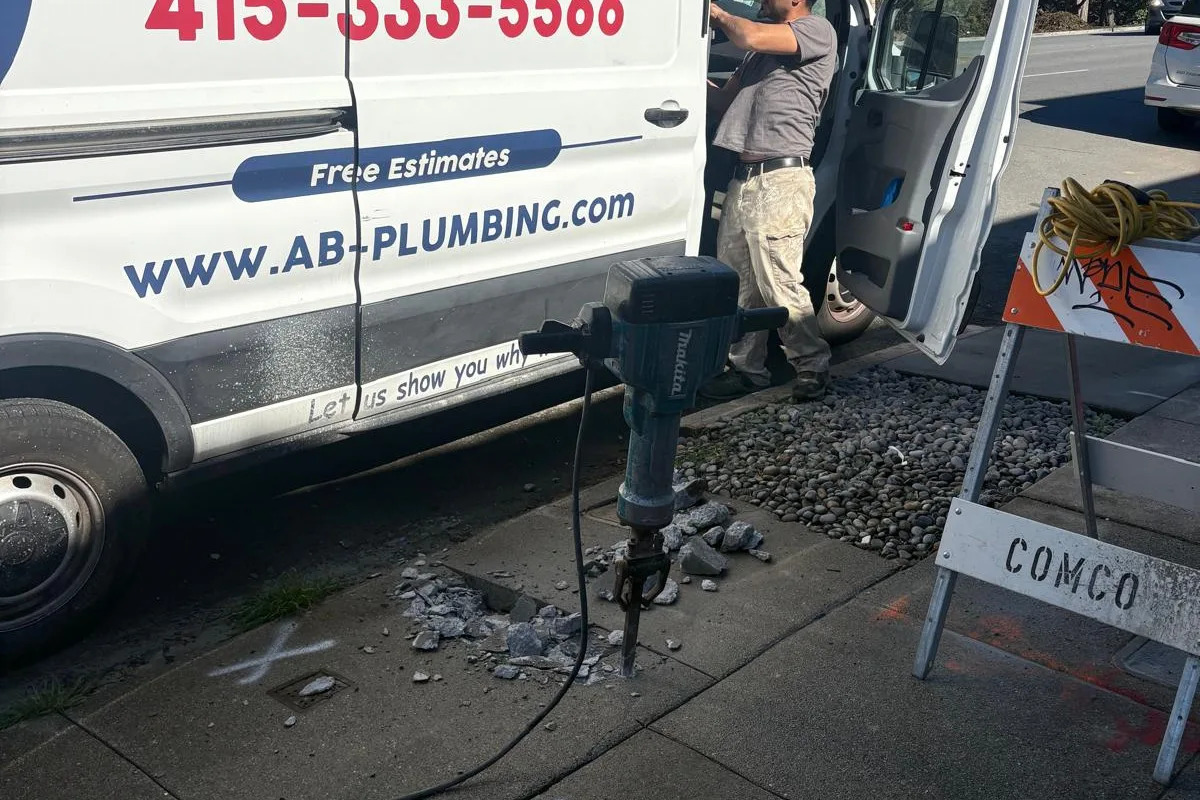
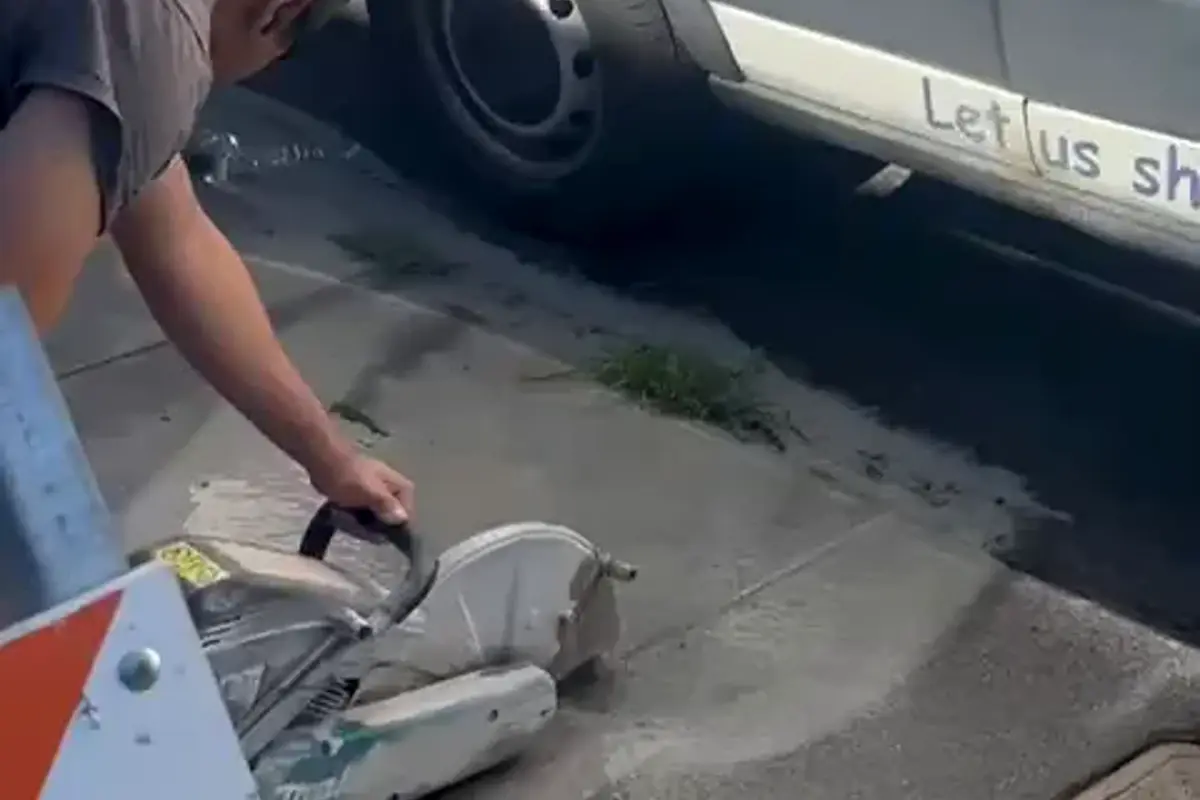
- Upper lateral, vent and trap: you hire a licensed plumber or contractor to repair or replace them, following the San Francisco Plumbing Code. This is the part we fix most often, including house traps that keep a sewer backing up.
- Lower lateral: when a plumber’s inspection points to a structural problem past the curb, you report it to 311 (by phone, at sf311.org or in the SF311 app). The SFPUC sends its Sewer Operations crew to inspect. If it finds that the lower lateral needs repair or replacement, the SFPUC says that under most circumstances it does the work at no extra cost to you.
The SFPUC does not list every exception to “most circumstances”, so treat the city’s repair as likely, not guaranteed, and ask when you file the request.
What to do when the sewer backs up
- Stop using water in the house: no flushing, showers, washer or dishwasher.
- Call a licensed plumber to clear the line from the cleanout and run a video camera through it.
- Look at the footage with the plumber. The camera shows the distance to the problem, so you can tell if it is before or after the curb.
- Upper lateral or trap: get the repair options and a written price from your plumber.
- Lower lateral: call 311 and ask the SFPUC to inspect.
A camera inspection is what keeps you from paying for the wrong repair. Without it, it is easy to dig up the sidewalk for a problem that was actually past the curb, or to keep clearing a clog that comes back because a joint is broken.
Signs your lateral needs attention
- Several drains slow down at the same time.
- Water or sewage comes up in the lowest drain of the house, often a garage shower, laundry sink or floor drain.
- Toilets gurgle when the washer drains.
- Sewer smell near the front of the property or at the sidewalk vent.
- The line clogs again a few weeks after it was cleared.
Heavy rain and high tides make weak laterals show up fast. Read how high tides can push sewage back into SF homes.
How to keep the lateral healthy
- Inspect it every five years, as the SFPUC recommends, and before buying an older home.
- Only flush toilet paper. Wipes, even the ones sold as flushable, catch on old joints and traps.
- Keep grease out of the sink. The SFPUC asks residents not to pour fats, oils or grease down any drain.
- Ask about a backwater valve if you have a bathroom or laundry below street level. The SFPUC says some owners may be eligible for its Floodwater Grant program for this.
How AB Plumbing handles a lateral job
We clear the backup first so the house is usable again. Then we camera-inspect the line, show you the video and tell you plainly which part is the problem. If it is the upper lateral, the vent or the house trap, you get the options from a spot repair to a full replacement and a fixed price in writing, with permits handled. If it is past the curb, we tell you so and you can call 311 before spending money on it. See our sewer line repair page for how we work.
Frequently asked questions
Who is responsible for the sewer lateral in San Francisco?
The property owner. According to the SFPUC, the entire lateral, from the building to the sewer main in the street, belongs to the owner, who is responsible for maintaining it.
What is the difference between the upper and lower lateral?
The upper lateral runs from the building to the curb and includes the vent and the house trap. The lower lateral runs from the curb to the sewer main in the street.
Will the city fix my lower lateral?
If a plumber finds a structural problem in the lower lateral, report it to 311. The SFPUC inspects it and, under most circumstances, repairs or replaces the lower lateral at no extra cost to the owner.
How often should I inspect my sewer lateral?
The SFPUC recommends having a licensed plumber inspect it at least once every five years, even if you have no problems.
Who repairs the house trap?
The house trap is part of the upper lateral, so the property owner hires a licensed plumber to repair or replace it.