Drains & Clogs
Storm in San Francisco This Weekend: Fix Slow Drains Before the Rain
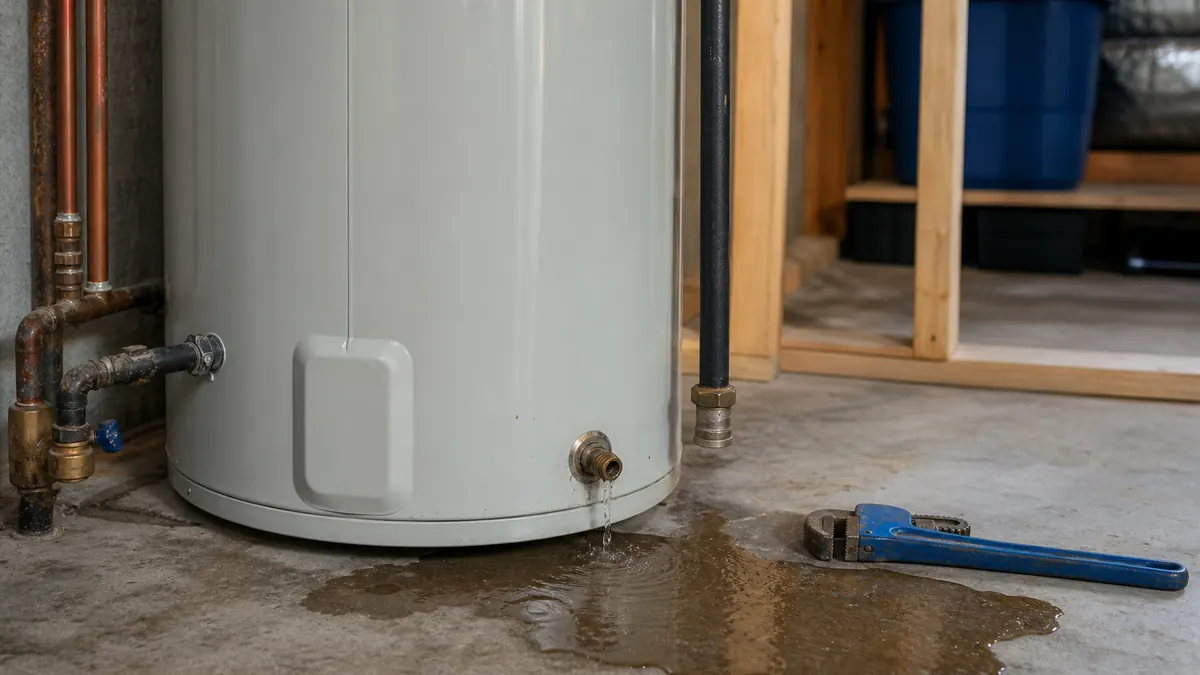
- Rain reaches San Francisco on Friday, November 13, a second storm follows Sunday into Monday, and a third may come midweek.
- Most of the city has a combined sewer: rain and household wastewater share the same pipes.
- When those pipes run full, a drain that is already slow is usually the first one to back up.
- Check your lowest drain and any slow sink or tub now, while it is dry. If water comes up during the storm, stop using water and call a plumber.
A storm is reaching San Francisco this Friday, and the most useful thing you can do today is find the drains in your home that are already slow. Rain does not run through your bathroom sink, but your sinks, tubs and toilets all empty into the same building drain and, in most of the city, the same sewer that carries the rain. When that sewer runs full, a pipe that is half clogged has the least room to work. Here is what to check, with a real slow drain we cleared in Pacific Heights. If you already have a problem, see our drain cleaning in San Francisco.
Storm checklist for San Francisco homes
| Check | Why it matters | When |
|---|---|---|
| Run water in the lowest drain (garage, laundry, basement) | It is where a full sewer shows up first | Before the rain |
| Note any sink or tub that drains slowly | A partly clogged line has no room left when the sewer is full | Before the rain |
| Listen for gurgling toilets when other fixtures drain | Several slow drains at once point to the main line | Before the rain |
| Find the sewer cleanout and clear access to it | A plumber can reach the main line faster | Before the rain |
| Clear leaves from the storm drain in front of the house, if safe | Street water stays in the street | Before and during |
| Use less water during heavy rain | Less water going into a pipe that is already full | During the storm |
| Recheck drains that were slow and look for water marks | Repeat problems point to the line itself | After the rain |
What is coming to San Francisco this weekend?
Three storms in about a week. According to the National Weather Service and local forecasts published on November 12, the first system reaches the San Francisco Bay area by early Friday afternoon, November 13, with showers into the evening. A second, similar storm is expected Sunday into Monday, and a third may arrive by midweek. The San Francisco Chronicle called Friday's rain the heaviest in more than six months, with 1 to 2 inches possible across most of the Bay Area through Monday.
- Coastal Flood Advisory: through Friday, with up to 1.5 feet of water possible in low-lying areas near the shoreline. High tide in San Francisco peaks around midday Friday, close to when the rain arrives.
- Flooding: forecasters do not expect widespread flooding because the storm is not stalling, but localized urban flooding is possible.
- The city is getting ready: Mayor Lurie declared a local emergency to prepare for El Niño storms, which speeds up buying flood barriers, pumps and generators. On November 10, crews began installing temporary flood barriers along the Embarcadero, after high tides flooded parts of the waterfront on October 27 (ABC7 and Axios).
- The city's advice: avoid flooded roads and sidewalks, and call 311 for nonemergency flooding or clogged storm drains on the street.
Why does a slow drain matter more when it rains?
Because in most of San Francisco, rain and sewage leave through the same pipes. The San Francisco Public Utilities Commission runs a combined sewer system, so storm water from streets and roofs joins the wastewater from every home. In heavy rain those pipes fill up, and water already in the system moves slower. A partly clogged drain line that copes on a dry day has no extra room, so it backs up first, usually at the lowest opening in the building. The SFPUC itself notes that no sewer or stormwater system can fully handle every storm, which is why what happens inside your building is worth checking. High tides add to the problem near the Bay, as we explain in our guide to high tides and sewer backups.
Which drains should I check before the storm?
- The lowest drain in the building. Garage floor drain, laundry, basement shower or in-law unit. Our 10-minute test for your lowest drain walks you through it.
- Any sink or tub that drains slowly. Water that takes more than a few seconds to clear is a warning sign, not a quirk of an old house.
- Toilets that gurgle when the washer or shower drains. Several slow drains at once point to the main line, not one fixture.
- The cleanout. Know where your sewer cleanout is and keep it reachable. If a plumber has to come during the storm, it saves time.
A slow bathroom sink in Pacific Heights: what we found
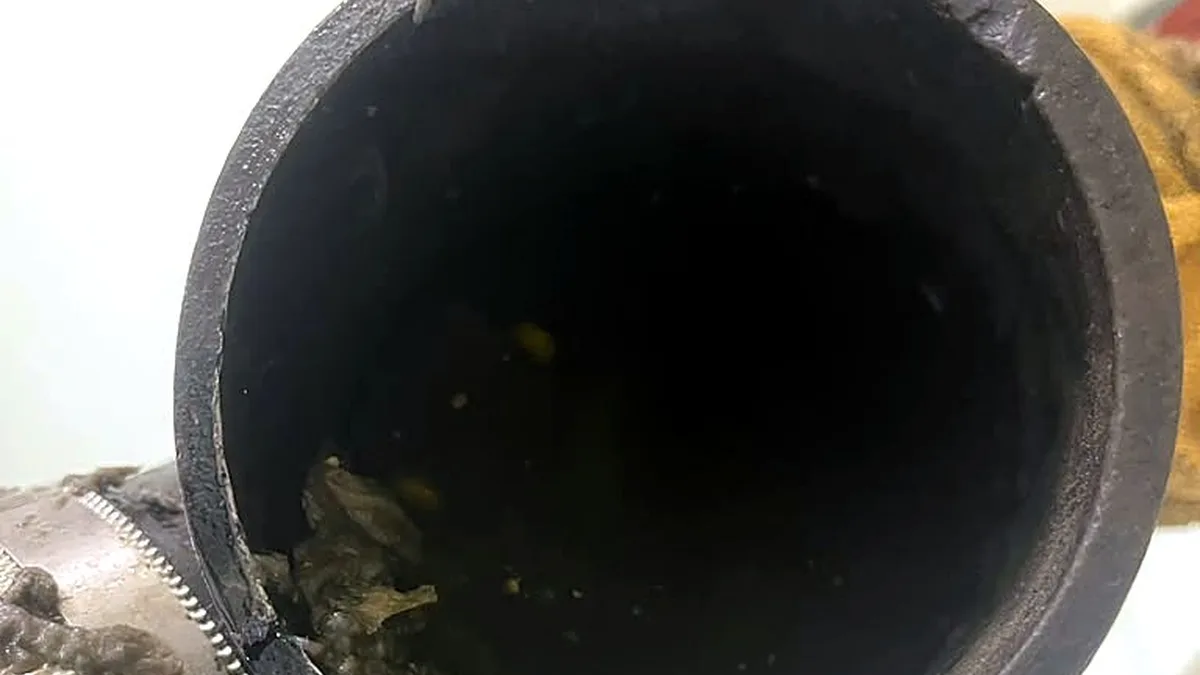
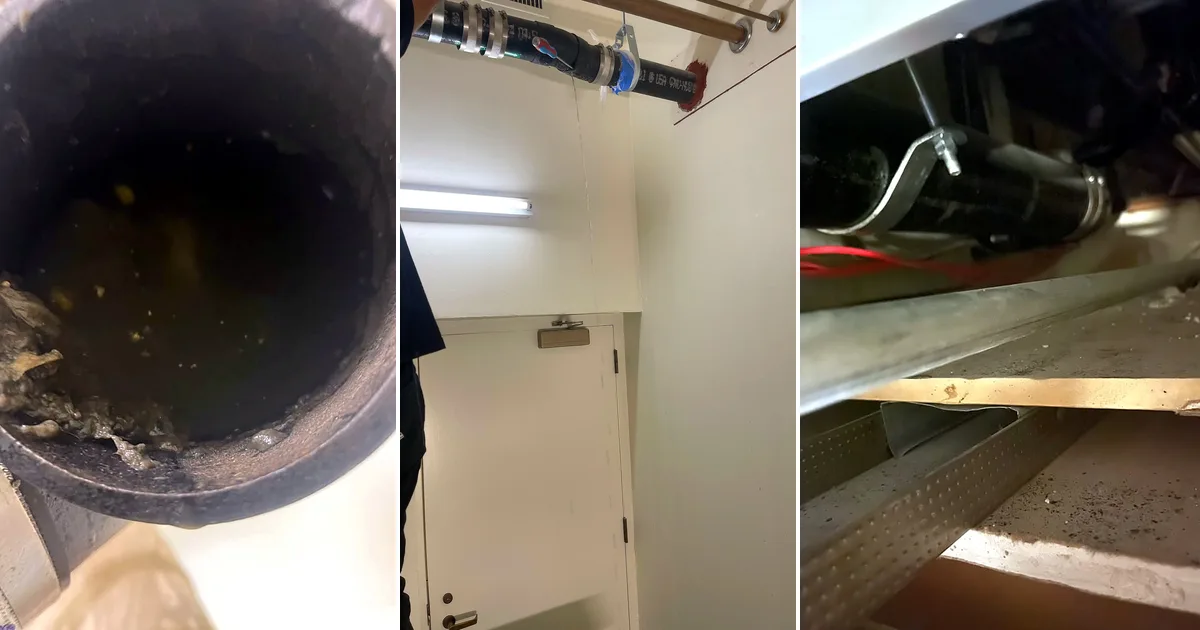
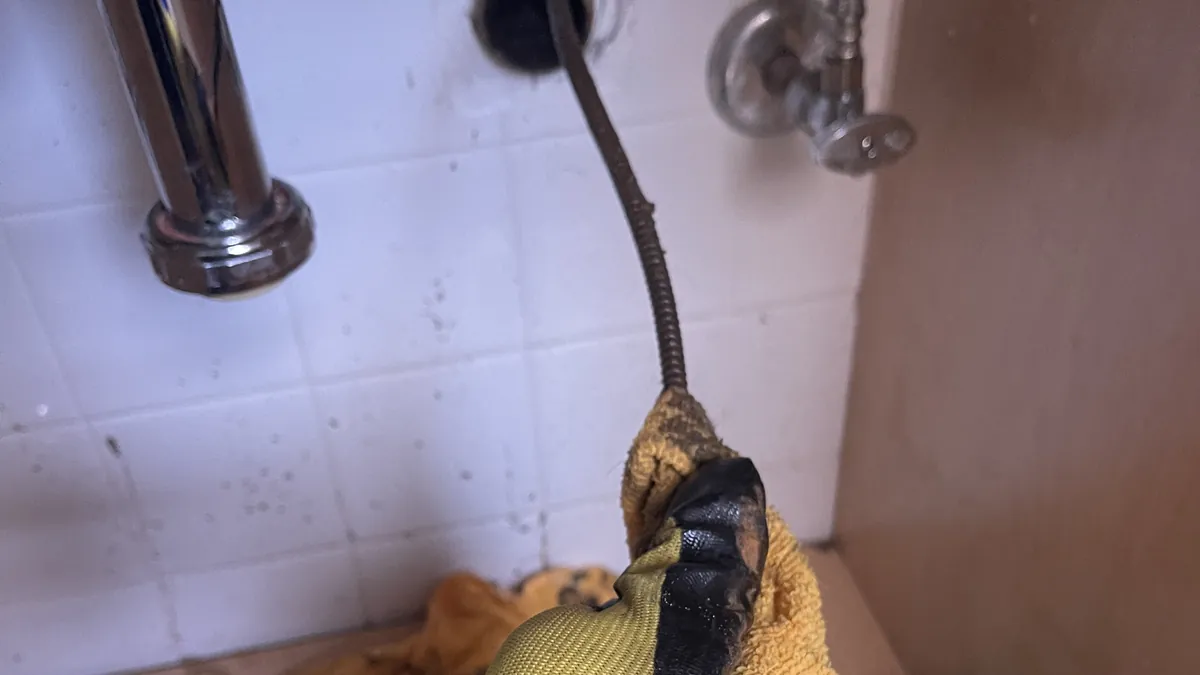
On October 30, we were called to a bathroom sink in Pacific Heights that drained slowly. This is how the visit went, with the times taken from our job photos.
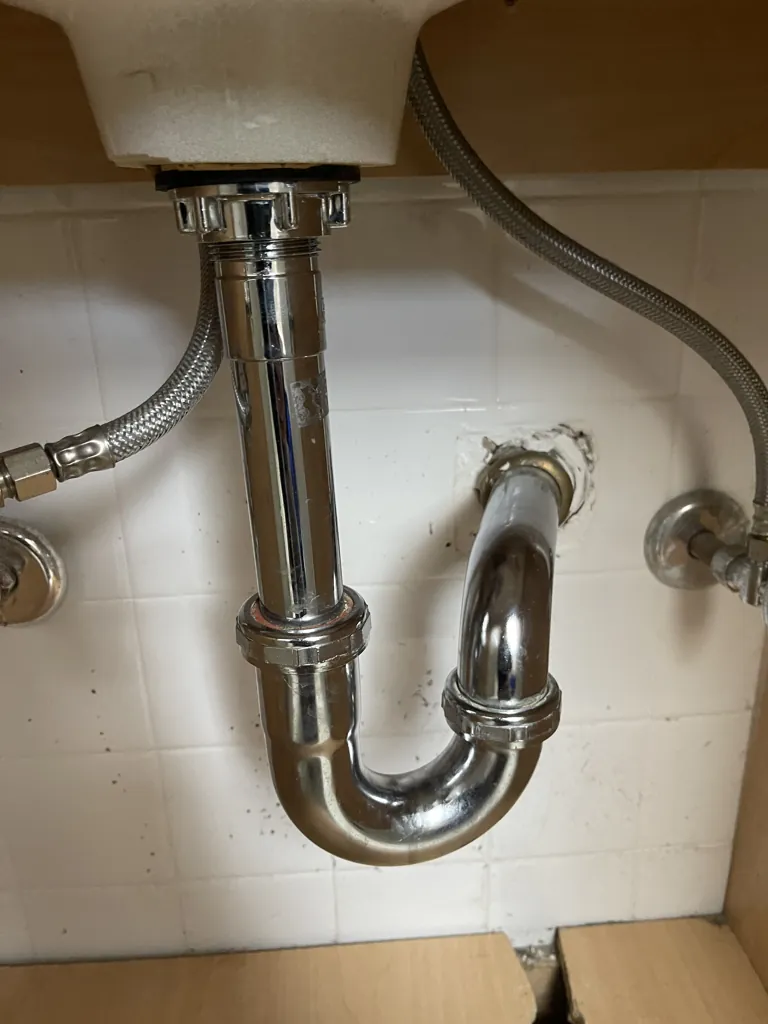
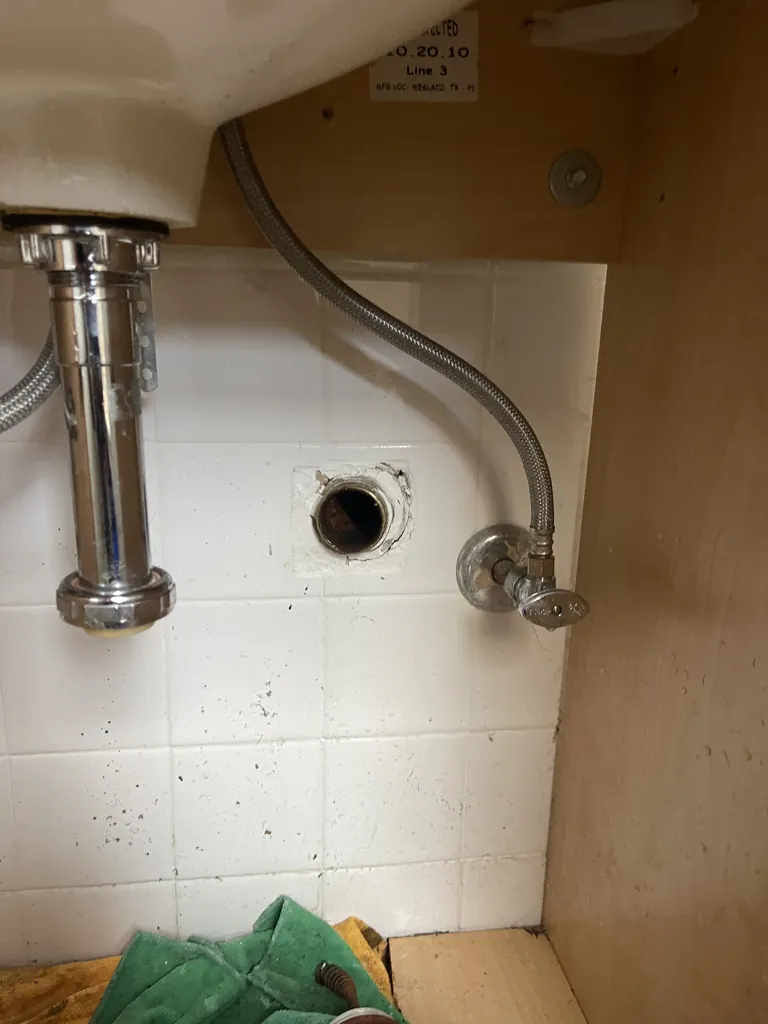
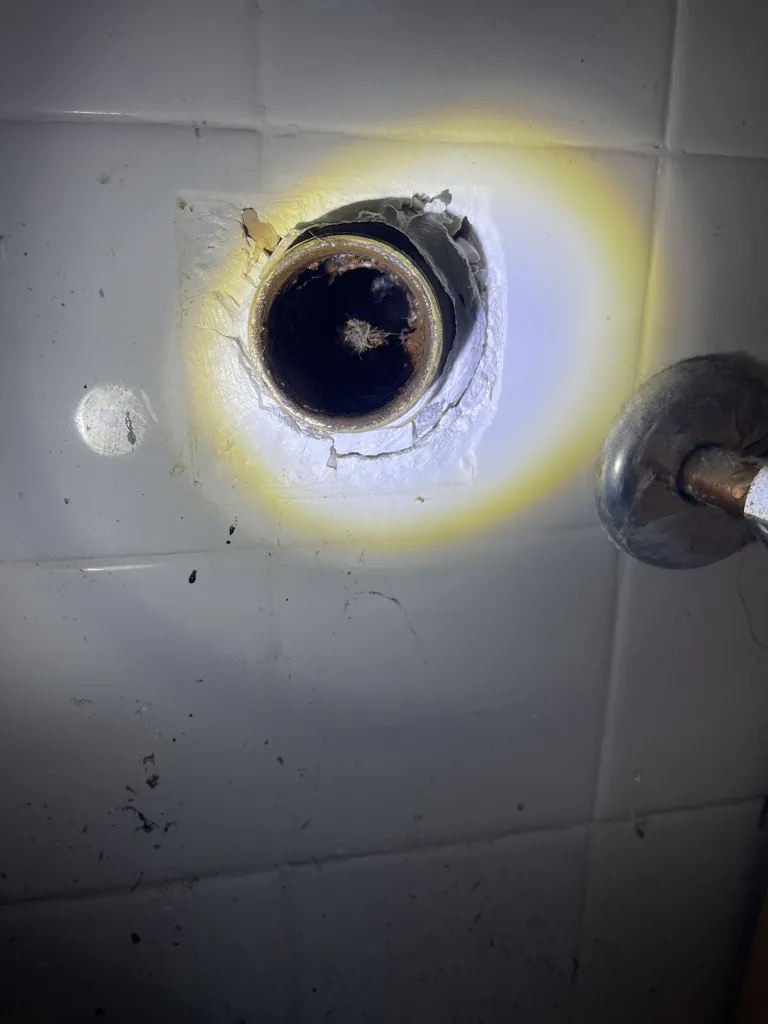
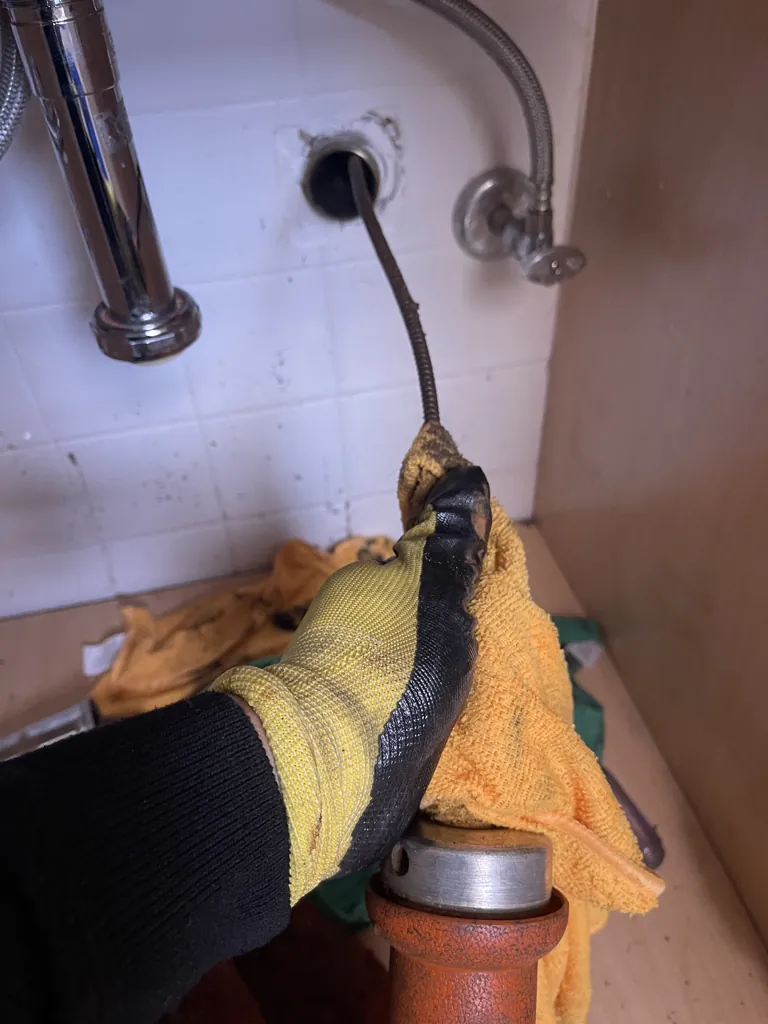
- 8:59 a.m. First look under the sink.
- 9:03 a.m. Trap off, so we could see the opening in the wall.
- 9:05 a.m. A look inside the wall line with a light.
- 9:11 a.m. Drain cable fed down the line.
- 9:16 a.m. Trap back on and the sink draining again.
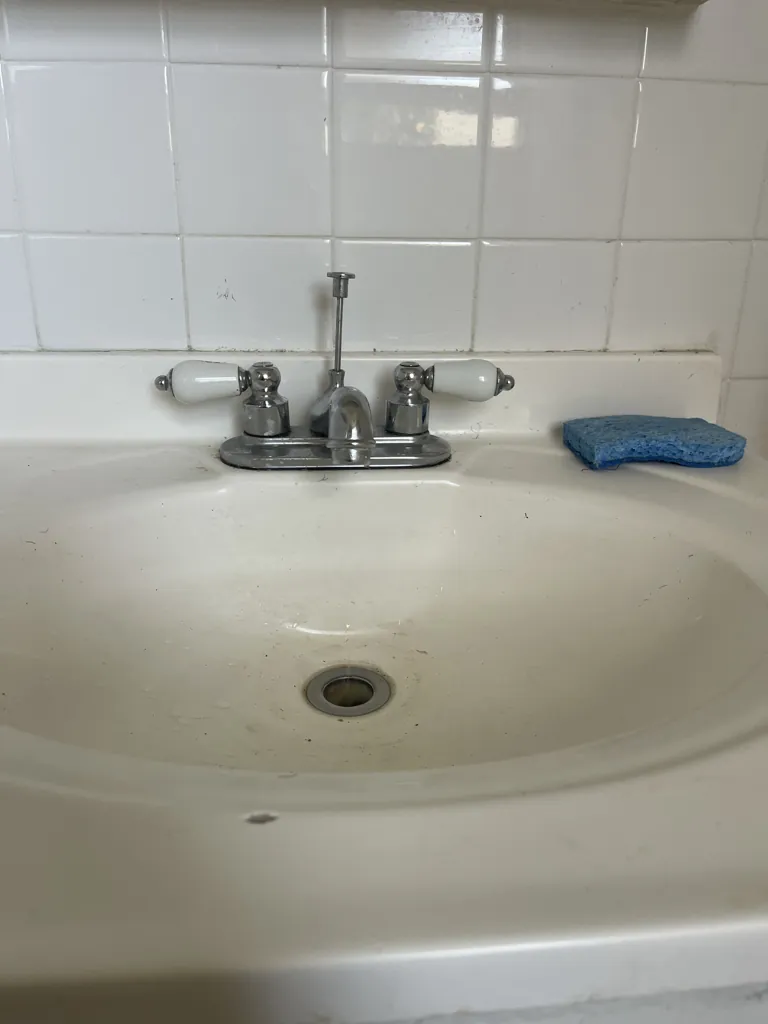
About 17 minutes from first look to a working sink. A slow drain is easier to clear on a dry morning than during a storm, when the line may also be fighting a full sewer.
What should I do if water comes up a drain during the storm?
- Stop using water. No showers, laundry, dishwasher or flushing. Everything you drain adds to the backup.
- Keep people and pets away. Treat any water rising from a drain as sewage, even if the rain makes it look clean.
- Call 311 if the problem is in the street, such as a flooded corner or a clogged storm drain.
- Call a plumber if the water is coming up inside your building. Our emergency plumbers in San Francisco answer 24/7.
Can a backwater valve help, and does the city help pay for one?
A backwater valve lets wastewater leave the building and closes when sewer water tries to flow back in. The SFPUC describes it as an effective, low-maintenance way to reduce sewage backups inside a property during rain, mainly for homes with bathrooms, laundry or units below street level. The SFPUC Floodwater Grant helps San Francisco property owners who flood from the public right-of-way or have sewer backflow during heavy rain, and eligibility is confirmed after a site visit. A valve will not go in before Friday, but if your building backed up in past storms, this is the season to ask. A plumber can check if your layout allows one, and our sewer line repair page explains how we inspect the line first.
What should I check after the rain?
- Any drain that was slow before the storm and is still slow after it.
- A sewer smell, gurgling or water marks around a floor drain.
- Repeat backups in the same spot. That points to the line itself, and a camera inspection shows what is inside before anyone digs. Who pays for what depends on where the problem is, as we explain in who owns the sewer lateral in San Francisco.
Is it one clogged drain or the main line?
| What you notice | Most likely | What usually fixes it |
|---|---|---|
| One sink or tub is slow, everything else is fine | Clog in that fixture's drain or wall line | Clearing the trap and cabling the branch line, like the Pacific Heights job above |
| Several drains are slow, toilets gurgle | Clog in the main building drain | Main line cleaning from the cleanout, then a camera check |
| Water comes up the lowest drain only when it rains | Full sewer, sometimes with a weak spot in the line | Camera inspection, and asking about a backwater valve |
I rent. Who should I call?
Tell your landlord or property manager as soon as a drain is slow, and right away if water comes up a drain. Take a photo and note the time, so the owner and the plumber know what happened. If the water is coming up inside the unit and nobody answers, stop using water and keep away from it until someone can look at the line.
Plumbing terms in this guide
- Combined sewer: one pipe network that carries both wastewater and storm water. Most of San Francisco works this way.
- P-trap: the curved pipe under a sink. It holds a little water to block sewer gas and is the first place we check on a slow sink.
- Wall line (branch line): the drain pipe inside the wall that takes water from one fixture to the main drain.
- Cleanout: a capped opening on the drain line, usually outside or in the garage, where a plumber can reach the main line.
- Sewer lateral: the pipe from your building to the public sewer in the street.
- Backwater valve: a valve that lets wastewater out and closes when sewer water tries to flow back in.
Sources and updates
Storm timing and flood advisory: National Weather Service Bay Area and KQED, November 12, 2026. Rain totals: San Francisco Chronicle, November 12, 2026. Embarcadero flood barriers: ABC7 News, November 10, 2026, and Axios San Francisco, November 9, 2026. Local emergency for El Niño: City of San Francisco. Combined sewer, backwater valves and the Floodwater Grant: San Francisco Public Utilities Commission. The job timeline comes from our own photos of the Pacific Heights visit on October 30, 2026. We will update this guide after the weekend storms with what we saw on our calls.
We are based at 2975 San Bruno Avenue, close to Bayview, Excelsior and Portola, and we work across San Francisco and the Peninsula. Licensed and insured, CSLB #876212, with 24/7 emergency service.
Frequently asked questions
When is the storm hitting San Francisco?
Forecasts published on November 12, 2026 put the first storm over the San Francisco Bay area by early Friday afternoon, November 13, with a second storm Sunday into Monday and a possible third by midweek. A Coastal Flood Advisory runs through Friday.
Why do drains back up in San Francisco when it rains?
Most of San Francisco has a combined sewer, so rain and household wastewater share the same pipes. When heavy rain fills them, water moves slower and a drain that is already partly clogged backs up first, usually at the lowest opening in the building.
What should I do if sewage comes up a drain during the storm?
Stop using water, keep people and pets away and treat the water as sewage. Call 311 for flooding or clogged storm drains in the street, and a plumber if the water is coming up inside your building.
Does San Francisco help pay for a backwater valve?
The SFPUC Floodwater Grant helps San Francisco property owners who flood from the public right-of-way or have sewer backflow during heavy rain. Eligibility is confirmed after a site visit, so check the current terms with the SFPUC.
How do I know if it is one clogged drain or the main line?
If only one sink or tub is slow, the clog is usually in that fixture or its wall line. If several drains are slow at once, or toilets gurgle when other fixtures drain, the main building drain is the likely problem.
I rent in San Francisco. Who should I call about a backed up drain?
Tell your landlord or property manager right away, with a photo and the time it happened. If water is coming up inside the unit, stop using water and keep away from it until someone checks the line.